


FOCUSED REVIEW FOR INFORMED RECOMMENDATIONS.
Committee Review provides a structured environment in which important initiatives can be examined in greater depth before advancing through the organizational development process. While executive briefings through the IEB mechanism help to identify opportunities, priorities, and emerging needs, topically-dedicated committees provide the focused attention necessary to evaluate concepts from multiple perspectives, explore potential implications, and develop informed recommendations for further consideration.
By bringing together individuals with relevant clinical, operational, technological, educational, regulatory, and strategic expertise, Committee Review helps ensure that significant initiatives receive thoughtful analysis before implementation. This multidisciplinary approach supports organizational consistency, strengthens decision-making, and contributes to the ongoing refinement of programs, protocols, technologies, educational resources, and other initiatives for HSL LABS.
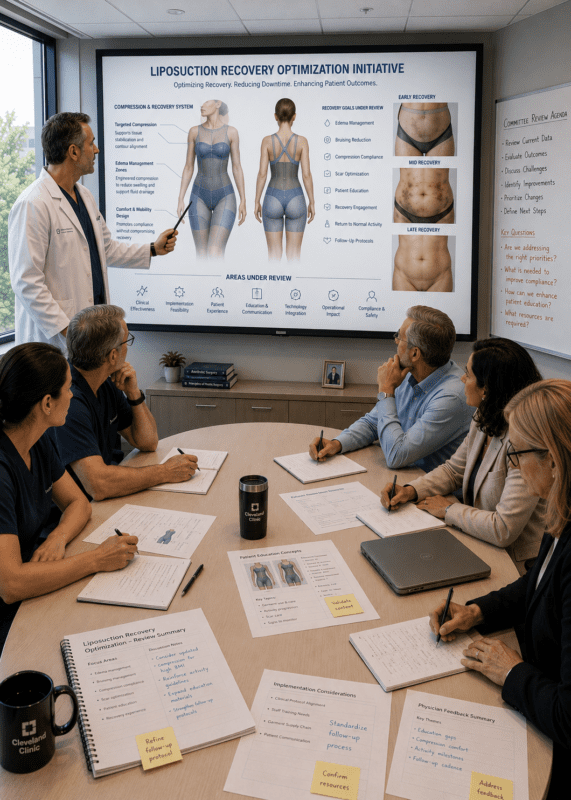
FOCUSED REVIEW FOR INFORMED RECOMMENDATIONS.
Committee Review provides a structured environment in which important initiatives can be examined in greater depth before advancing through the organizational development process. While executive briefings through the IEB mechanism help to identify opportunities, priorities, and emerging needs, topically-dedicated committees provide the focused attention necessary to evaluate concepts from multiple perspectives, explore potential implications, and develop informed recommendations for further consideration.
By bringing together individuals with relevant clinical, operational, technological, educational, regulatory, and strategic expertise, Committee Review helps ensure that significant initiatives receive thoughtful analysis before implementation. This multidisciplinary approach supports organizational consistency, strengthens decision-making, and contributes to the ongoing refinement of programs, protocols, technologies, educational resources, and other initiatives for HSL LABS.
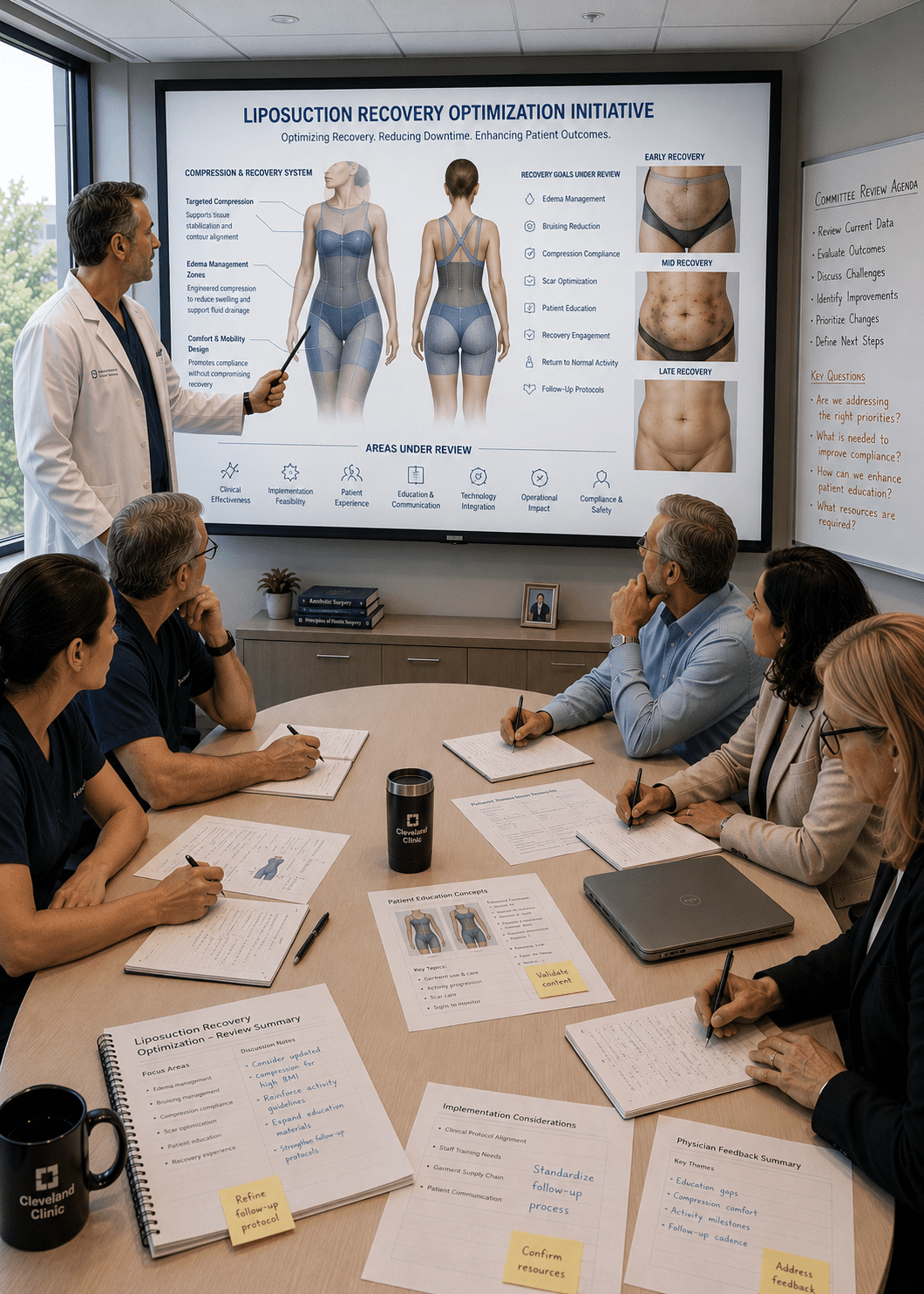
COMMITTEE REVIEW
Committee Review serves as an important intermediate stage within the HSL LABS development and decision-making framework. Once an idea, proposal, recommendation, opportunity, concern, or initiative has entered the Internal Executive Briefing (IEB) System, it may be referred to one or more topically-focused committees for detailed evaluation, analysis, refinement, and recommendation.
The purpose of Committee Review is to provide focused examination of issues that require a greater level of scrutiny than can reasonably be accomplished through executive briefings alone. While the IEB process serves as the principal mechanism for introducing and documenting developmental activities, committee review provides the structured environment in which those activities may be examined in greater detail before advancement, modification, deferral, or rejection.
Committee Review activities may address a broad range of organizational matters, including program development, protocol design, technology initiatives, educational resources, operational systems, physician engagement strategies, patient support initiatives, compliance considerations, governance issues, and product concepts. Depending upon the subject matter, committees may be composed of physicians, technology personnel, operational specialists, executive leadership participants, or other individuals possessing relevant expertise necessary to the committee’s focus of attention and specific mission.
A distinguishing feature of the Committee Review process is its emphasis on multidisciplinary analysis. Proposed initiatives are rarely evaluated solely from a single perspective. Clinical considerations, implementation practicality, operational requirements, technological implications, resource allocation, compliance concerns, and strategic alignment may all be examined before recommendations are formulated. This helps ensure that developmental activities are evaluated within the broader context of organizational objectives and practical realities.
The Committee Review process also serves an important refinement function. Many proposals entering the system are not immediately ready for implementation. Concepts frequently require clarification, modification, expansion, prioritization, or additional investigation. Committees provide a structured forum through which these developmental activities may occur before matters are advanced to subsequent stages of organizational review.
In addition to evaluating new initiatives, committees may periodically review existing programs, protocols, technologies, educational materials, operational procedures, and products. Such reviews may be undertaken in response to physician feedback, implementation observations, technological developments, regulatory considerations, operational experiences, or emerging organizational priorities. This ongoing review capability supports continuous improvement throughout the organization and is consistent with an iterative re-evaluation and continual improvement directive.
Committee recommendations are typically documented and returned to the appropriate decision-making channels, including the Executive Committee, Clinical Advisory Council, or other designated organizational bodies. Importantly, committees generally function in an advisory and evaluative capacity. Their role is not to make final decisions, but rather to provide informed analysis, identify relevant considerations, and develop recommendations that support sound decision-making for ultimate action by the Executive Committee or another designated managerial body.
The Committee Review process additionally promotes organizational accountability and consistency. By requiring significant initiatives to undergo structured examination, the Company reduces reliance upon informal decision-making and creates a documented pathway through which important matters are evaluated. This process helps preserve institutional discipline, supports transparency, and contributes to the continuity of organizational knowledge.
Within HSL LABS, Committee Review functions as a critical bridge between concept and implementation. By providing a formal mechanism for detailed evaluation, multidisciplinary analysis, and structured refinement, it helps ensure that initiatives entering the organizational development process are thoroughly examined before becoming part of the Company’s programs, protocols, technologies, educational initiatives, operational systems, or products.